
V|V


This is the Split Vowels function. Sometimes two vowels are next to each other, but they are not working together as a vowel team. When this happens, the vowels can be split into separate syllables. Each vowel then makes its own sound, as in “museum.” In “museum,” the E makes its long, open sound, and the U becomes a schwa.
When you see two vowels together, first try the vowel team sound. If that does not make a real word, try again and split between the two vowels, sounding out the vowels separately. In base words, vowel teams are more common than Split Vowels, but Split Vowels happen often enough that you need a strategy for testing them.

The only vowel team that starts with “I” is IE as in “sweetie pie”. Most of the time, “I” followed by another vowel in a base word will be split; when I is part of a change ending with a suffix, it may be said as a split vowel as in “happier” or it may be have a one-syllable sound with the suffix, as in “spacious”. This is taught as a separate concept.
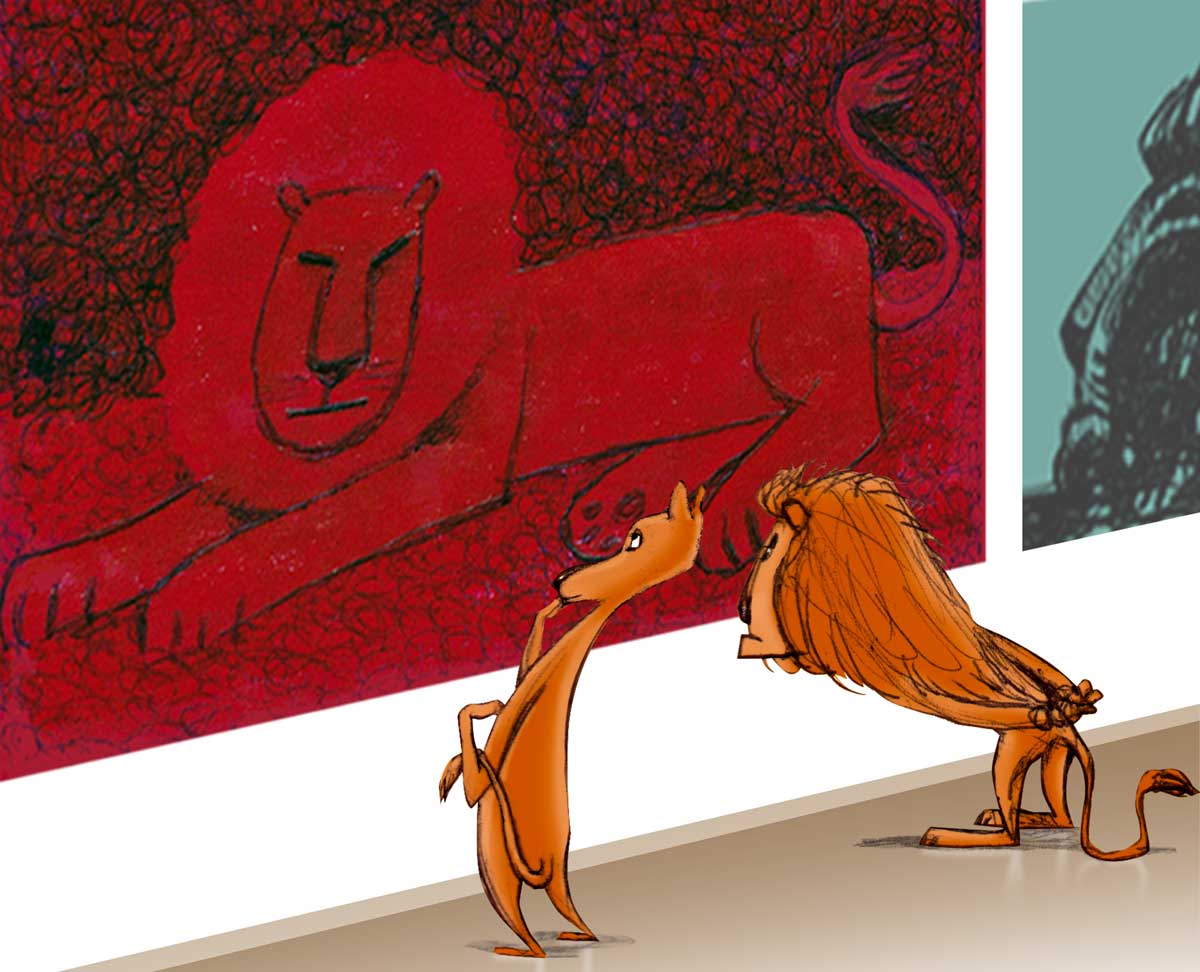
When vowel I is the first vowel in Split Vowels and is in the first accented syllable, it usually says /ī/, and the second vowel in the next syllable may change to schwa, as in “lion.”